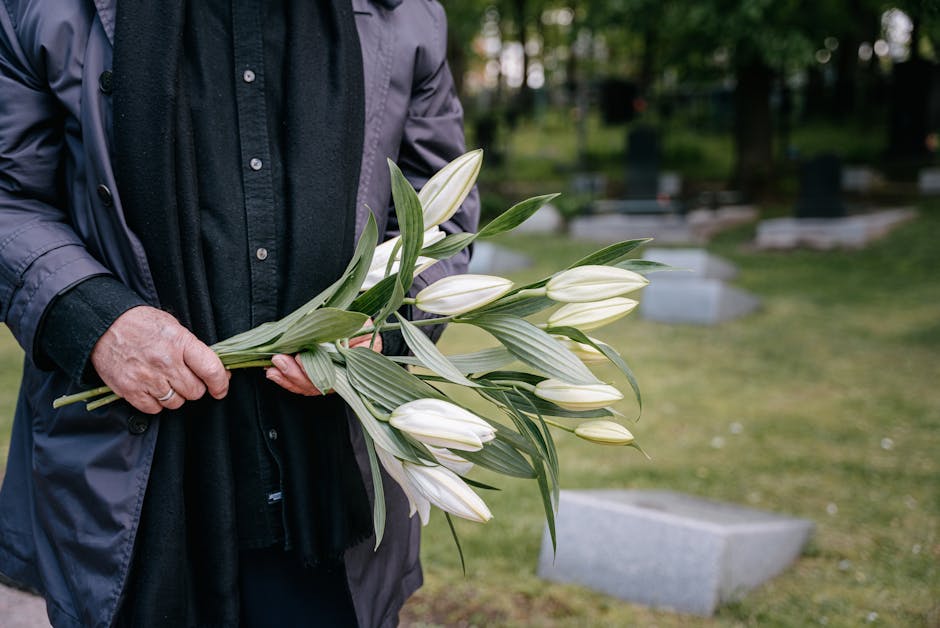
Newham Council rules for floral tributes and cemetery flowers
Posted on 04/10/2026
If you are arranging flowers for a loved one in Newham, the practical details can feel surprisingly overwhelming. The Newham Council rules for floral tributes and cemetery flowers are there to keep cemetery grounds respectful, tidy, and safe, but they can also leave families wondering what is allowed, where flowers may be placed, and how long they can remain in situ.
This guide breaks everything down in plain English. You will learn how the rules usually work in Newham, why they matter, how to avoid common problems, and what to do if you are arranging funeral flowers, memorial tributes, or regular cemetery flowers for a grave. We will also cover sensible best practice, local considerations, and a few practical tips that make a difficult day a little easier. Let's face it, nobody wants to arrive at a cemetery with flowers in hand and then realise they have to rethink the whole plan on the spot.
Where relevant, we will also point you to useful site pages such as funeral flowers in Forest Gate, funeral arrangements, and sympathy flowers, so you can move from planning to action without fuss.
Table of Contents
- Why Newham Council rules for floral tributes and cemetery flowers Matters
- How Newham Council rules for floral tributes and cemetery flowers Works
- Key Benefits and Practical Advantages
- Who This Is For and When It Makes Sense
- Step-by-Step Guidance
- Expert Tips for Better Results
- Common Mistakes to Avoid
- Tools, Resources and Recommendations
- Law, Compliance, Standards, or Best Practice
- Options, Methods, or Comparison Table
- Case Study or Real-World Example
- Practical Checklist
- Conclusion
- Frequently Asked Questions
Why Newham Council rules for floral tributes and cemetery flowers Matters
Floral tributes are more than decoration. They are part of mourning, remembrance, and personal expression. A wreath on a grave, a spray at a burial, or a simple vase of fresh flowers can say what words cannot. That is exactly why cemetery rules matter: they help preserve dignity while making sure every family can visit a well-kept space.
In a busy London borough like Newham, that balance is especially important. Cemeteries often serve many families with different traditions, different flower preferences, and different expectations. Without clear rules, things get messy quite fast. One family may place large arrangements directly on the ground, another may use a fixed vase, and a third may want seasonal flowers refreshed every week. The council has to keep that practical reality in mind.
There is also a straightforward safety angle. Loose containers, damaged pots, heavy tribute frames, and decaying flowers can create hazards or block maintenance work. Grounds staff need room to mow, edge, clean, and carry out cemetery upkeep. If the rules are followed, the whole place feels calmer and more respectful. If not, small issues build up. You will notice it immediately, usually in the form of overgrown corners and discarded wrappers. Not ideal.
For families, the key benefit is predictability. Once you understand the basic expectations, you can choose flowers that suit both your tribute and the cemetery environment. That means fewer awkward surprises, fewer removed arrangements, and less stress during an already emotional time.
Practical takeaway: cemetery flower rules are not about limiting grief. They are about protecting shared space, keeping memorial areas tidy, and helping tributes last as respectfully as possible.
How Newham Council rules for floral tributes and cemetery flowers Works
While exact cemetery arrangements can vary by site, the usual approach is simple: the council sets expectations around what may be placed on a grave, how large it should be, how it should be displayed, and how long it may stay there. The details can differ between burial sections, memorial gardens, cremated remains areas, and older grave plots. So, yes, the small print matters.
In practice, the rules usually touch on a few core areas:
- Placement: whether flowers must be placed in a designated vase, on a memorial base, or within the grave boundary.
- Size and shape: whether large wreaths, casket sprays, or bulky tributes are appropriate in that section.
- Freshness and maintenance: when faded flowers should be removed or replaced.
- Materials: whether glass, metal spikes, fixed stands, balloons, or other items are allowed.
- Ground care: whether tribute items interfere with mowing, edging, or cemetery access.
A good florist will already think in these terms. A grave tribute that looks beautiful in the chapel or at the funeral may need slight adjustment for the cemetery itself. That is not a bad thing. It is just part of designing something that works in real life, rather than just in a photo.
For example, a family may want a traditional wreath or a letter tribute. Those can be suitable in many memorial settings, but the practical fit will depend on the grave space and the cemetery's rules. A compact sympathy arrangement or a simpler vase arrangement may be more appropriate for regular grave visits. If you are unsure, it is usually wiser to keep the design stable, low, and easy to maintain.
Some people also use cemetery flowers as a repeat-visit habit, replacing stems after birthdays, anniversaries, or remembrance dates. That works well if you choose flowers with reasonable vase life, balanced stems, and colours that hold up in mixed weather. British weather, of course, has a sense of humour all its own.
Key Benefits and Practical Advantages
Following cemetery flower guidance may sound like a small detail, but it creates real benefits for families, florists, and grounds teams alike.
1. Less stress on the day
When you already have a funeral or memorial to think about, the last thing you need is uncertainty about what can be placed at the grave. Clear planning helps you focus on the person you are honouring, not the logistics.
2. A tribute that actually stays in place
A well-chosen arrangement is less likely to be moved, damaged, or removed for being unsuitable. That matters if the flowers are intended to stay for several days or longer.
3. Better appearance over time
Some arrangements look striking for a day and then collapse into a soggy mess by the weekend. Others are designed for a grave setting from the start. Choosing the right flowers helps the tribute remain dignified and neat.
4. Easier cemetery maintenance
When flowers are placed properly, grounds staff can do their job without needing to move items around repeatedly. That is respectful to everyone using the cemetery.
5. More appropriate memorial choices
Not every tribute needs to be large or elaborate. In many cases, a simple wreath, spray, or sympathy basket says more than an oversized display ever could. Truth be told, understated often works beautifully.
| Flower option | Best for | Practical note |
|---|---|---|
| Wreath | Funerals and memorial tributes | Distinctive and formal; check size suitability for the grave setting. |
| Spray | Casket and grave-side tributes | Usually low-profile and elegant, often easier to place neatly. |
| Posy or basket | Regular cemetery flowers | Compact and easy to refresh. |
| Letter tribute | Personalised remembrance | Meaningful, but may need more space. |
| Sympathy bouquet | Home or memorial use | Flexible, but may be less suited to exposed graves unless prepared well. |
If you want a wider selection for remembrance or sympathy occasions, it can help to browse pages like wreaths, tributes, and sprays. Those categories are often the best starting point for cemetery-friendly choices.
Who This Is For and When It Makes Sense
This topic matters to a surprisingly wide group of people. If you are arranging flowers in Newham, you may recognise yourself in one of these situations:
- You are organising a funeral and need flowers that can later be placed on a grave.
- You visit a cemetery regularly and want to leave flowers that suit the site's expectations.
- You are choosing a personal memorial tribute and want it to feel respectful rather than overdone.
- You are helping a relative or friend and need practical guidance quickly.
- You are a florist, funeral arranger, or family member coordinating several tributes at once.
Sometimes the decision is emotional, sometimes very practical, and often both. A daughter choosing flowers for her father's grave may care deeply about the symbolism, while also needing something that will survive a windy afternoon and still look decent next week. Both concerns are valid.
It also makes sense for anyone comparing tribute styles before ordering. If you are trying to decide between a full wreath and a small arrangement, cemetery conditions should be part of the decision. So should the season, the grave location, and how often someone can visit to refresh the flowers.
For people in and around Forest Gate and wider East London, local delivery and timing can make a difference too. If a tribute needs to arrive close to a service or memorial visit, the right delivery option matters as much as the design itself. A same-day or next-day service can be useful, depending on the circumstances and what is available.
Step-by-Step Guidance
Here is a practical way to approach floral tributes for a Newham cemetery without making the process harder than it needs to be.
Step 1: Confirm the cemetery or grave type
Start with the basics. Is this a traditional burial plot, a cremation memorial area, a lawn section, or an older grave with a narrower boundary? The answer changes what will fit neatly and what may be unsuitable. If you are not sure, ask before you order.
Step 2: Decide how long the flowers need to last
Are the flowers for the day of the funeral only, or should they remain in place for several days? A short-lived tribute can be more delicate and elaborate. A longer-lasting cemetery arrangement usually needs sturdier stems, a practical container, and a form that can handle weather exposure.
Step 3: Choose the right style
For many grave settings, low arrangements are the safest choice. Wreaths, sprays, baskets, posies, and simple sympathy tributes tend to work well. If you want something more personal, letter tributes can be very touching, but they need space and a stable surface.
Step 4: Think about colour and flower type
White flowers are often chosen for remembrance because they feel calm and traditional. Red can feel loving and strong. Mixed colours can celebrate a life that was lively and full of character. If you are unsure, a florist choice arrangement can save time and usually looks balanced. Categories such as white flowers, red flowers, and mixed colours are handy reference points when planning.
Step 5: Ask about placement and delivery timing
It is a small thing, but timing matters. A tribute may need to arrive before a burial, before a family visit, or on a specific memorial date. If a funeral home, cemetery, or family member needs to receive it at a precise time, check this before confirming the order. A flower left sitting in a car boot for too long is nobody's favourite story.
Step 6: Add a card or memorial message
A short message can make the tribute feel complete. Even a few words can be deeply meaningful. If you want to include a card, a calm, simple note is usually best. The wording does not need to be poetic. It just needs to be sincere.
Step 7: Maintain the flowers if they stay on the grave
If the tribute will remain in the cemetery, check it after a few days and remove any faded blooms, damaged wrapping, or loose foliage. That little act of care makes a difference. It also keeps the memorial space looking respectful for other visitors.
Expert Tips for Better Results
These are the kinds of details that often separate a good tribute from one that feels just right.
- Choose hardy stems for exposed graves. Carnations, chrysanthemums, lilies, and some mixed sympathy flowers tend to hold up better than ultra-delicate blooms.
- Use a stable base. A secure container or tribute base helps in windy weather and prevents flowers from sliding out of place.
- Keep the arrangement low. Low-profile tributes are less likely to obstruct maintenance and usually look neater at ground level.
- Match the occasion to the design. Funeral tributes can be more formal; cemetery flowers for routine visits can be simpler and more compact.
- Think about meaning, not just appearance. A favourite colour, flower, or shape can make the tribute feel personal in a quiet, powerful way.
- Plan for the season. In colder weather, sturdy designs often last better. In warmer weather, hydration and shade matter more. Obvious, yes, but still easy to forget.
A florist with experience in sympathy work will usually guide you toward practical combinations. If you want something already designed for remembrance, sympathy florist choice options and related memorial pieces can reduce guesswork and help you stay within a sensible format.
Another small point: if several family members are involved, agree early on whether you want one main tribute or several smaller pieces. Coordinating this late in the day can get awkward fast. Not impossible, just awkward.
Common Mistakes to Avoid
Most problems with cemetery flowers are easy to avoid once you know what to watch for.
- Choosing a design that is too large. Big is not always better, especially in a compact grave space.
- Using fragile wrapping or loose accessories. Ribbon, paper, and decorative extras can fray or blow away.
- Forgetting maintenance. Flowers that are left too long can look neglected, even when they were placed with love.
- Assuming every cemetery section has the same expectations. They do not.
- Leaving glass or unstable items behind. These can be problematic for safety and upkeep.
- Ordering too late. In memorial situations, rushed choices often lead to less suitable designs.
One common misunderstanding is thinking that any beautiful arrangement will work anywhere. In reality, a tribute that looks lovely on a dining table may struggle in an outdoor cemetery environment. A little adaptation goes a long way. That is the difference between "nice idea" and "right for the place".
If you are ordering on behalf of someone else, another mistake is not checking the spelling on a card or tribute wording. It sounds minor until you are standing there reading it. Then it is not minor at all.
Tools, Resources and Recommendations
You do not need fancy tools to handle cemetery flowers well, but a few practical things help:
- Small scissors or secateurs: useful for trimming stems cleanly before placing the flowers.
- Clean water container: especially if you are transporting flowers yourself.
- Flower food: useful for arrangements that need to last a little longer before placement.
- Weather-aware wrapping: helps protect stems on windy or damp days.
- Card or tribute message: simple, clear wording is usually best.
For people ordering from a local florist, browsing relevant ranges can make the process much easier. Pages such as funeral flowers, sympathy flowers, and flowers in a vase are practical places to start if you want something suited to memorial use without overthinking every stem.
If the tribute is intended to stay in place, ask whether the florist can suggest a design with stronger stems, a firmer base, or less fragile foliage. That kind of advice is worth its weight in gold, really. It saves time, money, and a few headaches.
Law, Compliance, Standards, or Best Practice
There is no one-size-fits-all answer here, because cemetery rules are usually site-specific rather than universal. That said, the general best practice across UK cemeteries is consistent: keep tributes respectful, safe, tidy, and appropriate to the space.
In plain terms, that usually means:
- placing flowers where they will not block access or maintenance;
- avoiding items that could break, spill, or create a hazard;
- removing dead flowers and waste in a timely way;
- following any cemetery-specific instructions about pots, spikes, frames, or large memorial pieces;
- respecting the needs of other grave owners and visitors.
For council-managed cemeteries, local operational rules are typically there to support those same principles. If you are arranging flowers for a burial, memorial service, or ongoing grave visit, it is sensible to treat those rules as part of the tribute planning, not as an afterthought.
Where families are concerned about religious, cultural, or personal traditions, it is usually best to check early. Many tribute styles can be adapted sensitively. For example, some families prefer specific colours or symbolic flowers, while others may want lettering, crosses, wreaths, or floral shapes that reflect faith or heritage. There is almost always a respectful middle ground if you plan ahead.
When in doubt, use the simplest workable version of your idea. That is often the safest route, and it tends to look more elegant too. A memorial does not need to shout to be deeply meaningful.
Options, Methods, or Comparison Table
Here is a straightforward comparison of common floral tribute choices and how they tend to work in a cemetery setting.
| Option | Best use | Strengths | Watch-outs |
|---|---|---|---|
| Wreath | Funerals, remembrance days | Traditional, dignified, versatile | Can be bulky if oversized |
| Spray | Casket tribute, grave-side placement | Elegant, often low and manageable | Some styles are better for services than long-term display |
| Posy | Visits, smaller memorials | Compact and easy to place | May not feel substantial enough for larger ceremonies |
| Basket | Ongoing cemetery flowers | Stable and neat | Needs drainage and weather-aware construction |
| Letter tribute | Personal memorials | Highly personalised and expressive | Needs space and care in placement |
| Cross or heart tribute | Faith-based or intimate remembrance | Very meaningful visually | May require more room than expected |
If you are leaning toward a more traditional memorial design, pages like letter tributes, wreaths, and sprays can help you compare styles without feeling rushed.
Case Study or Real-World Example
Here is a very typical scenario. A family in Newham is arranging a burial for an uncle who was well known for keeping a tiny, neat front garden. They want flowers that feel personal, but they also know the grave will need regular visiting and maintenance.
At first, they consider a large, dramatic tribute. It looks lovely in the catalogue. But once they think about the grave space, the weather, and the fact that the family will be coming back every week for a while, they decide on a lower arrangement instead. They choose a calm colour palette, add a handwritten card, and ask for a design that will sit securely in place.
The result is not flashy. It is better than flashy. It suits the person, the setting, and the pace of real life. A few days later, when the family returns in a drizzly afternoon with the sound of traffic faint in the background, the flowers still look tidy and cared for. That matters more than people admit.
This is often how good memorial choices work. They are not always the most dramatic option. They are the option that holds up well, feels true, and does not cause problems later.
Practical Checklist
Before ordering or placing flowers, run through this quick checklist:
- Have I confirmed the cemetery or grave type?
- Do I know whether the flowers are for a funeral, memorial, or ongoing grave visit?
- Is the tribute size suitable for the space?
- Have I chosen a style that can handle outdoor conditions?
- Will the arrangement stay neat for as long as needed?
- Have I checked any wording on the card or tribute piece?
- Do I need delivery on a specific date or time?
- Have I chosen a florist or product suited to sympathy and remembrance work?
- Do I know how the flowers will be refreshed or removed later?
- Is the final tribute respectful, practical, and appropriate for the setting?
If you can answer yes to most of those, you are in good shape. If not, pause and recheck. It is better to slow down for five minutes than to order something that doesn't quite fit.
For a reliable starting point, many people find it helpful to compare memorial-focused ranges with more general delivery options such as flower delivery in Forest Gate or same-day flower delivery when timing is tight.
Get a free quote today and see how much you can save.
Conclusion
Newham Council rules for floral tributes and cemetery flowers are not there to make remembrance harder. They exist so that families can honour loved ones in a way that is respectful, practical, and sustainable for the shared space. Once you understand the basics, the whole process becomes much less daunting.
The best tribute is usually the one that suits the place as well as the person. Sometimes that means a wreath. Sometimes it means a compact basket or a simple spray. Sometimes it means choosing a favourite colour and keeping everything else understated. And that is perfectly fine.
If you are planning flowers for a funeral, grave visit, or memorial date in Newham, take your time, ask the right questions, and choose with care. A thoughtful tribute does not need to be complicated. It just needs to feel true.
Frequently Asked Questions
What are the Newham Council rules for floral tributes and cemetery flowers?
They are the practical rules and expectations that govern what can be placed at a grave or memorial site, how it should be displayed, and how it should be maintained. The aim is usually to keep the cemetery tidy, safe, and respectful for all visitors.
Can I place any type of flower arrangement on a grave in Newham?
Not always. Some arrangements are more suitable than others, especially if the grave space is small or the cemetery has specific guidance. Low, stable designs are usually the safest choice.
Are wreaths allowed for cemetery graves?
Wreaths are commonly used for funerals and memorials, but the right size and placement will depend on the cemetery section and the available space. A smaller wreath may be more practical for ongoing grave visits.
How long can floral tributes stay at a cemetery?
That depends on the cemetery's local rules and the condition of the flowers. Faded or damaged tributes are usually removed sooner rather than later to keep the area looking cared for.
What flowers are best for cemetery use?
Hardier flowers often work best outdoors. Carnations, chrysanthemums, lilies, and some mixed sympathy flowers are popular because they tend to last better than very delicate blooms.
Can I use a vase or container on a grave?
Often yes, but it should be stable and suitable for the cemetery's rules. Glass containers or loose pots may not always be appropriate, so it is wise to check first.
Do I need to check with Newham Council before ordering funeral flowers?
If the flowers are only for the funeral service, usually the funeral director or venue guidance matters most. If you want the tribute to remain on the grave afterwards, checking the cemetery rules is a smart move.
What is the difference between sympathy flowers and cemetery flowers?
Sympathy flowers are often sent to the family or used for the service, while cemetery flowers are usually chosen specifically for placement at the grave. The two can overlap, but the design needs may be different.
Can I put personalised letter tributes on a grave?
Yes, many families do, but they can take up more space than standard arrangements. That makes them worth double-checking against the grave area before ordering.
What should I do with old flowers at the grave?
Remove wilted blooms, torn wrapping, and any damaged materials when they start to look tired. It keeps the memorial area respectful and helps avoid clutter.
Is same-day delivery possible for funeral or memorial flowers in Forest Gate and Newham?
It can be, depending on the time of day and product availability. If timing is tight, choosing a local florist and a suitable memorial style gives you the best chance of getting the flowers when you need them.
What is the safest choice if I am unsure what the cemetery allows?
A simple, low arrangement such as a sympathy basket, posy, or modest spray is usually a sensible starting point. When in doubt, keep it stable, neat, and easy to maintain.